
- Are all cryptocurrencies mined
- Are all cryptocurrencies based on blockchain
- List of all cryptocurrencies
Do all cryptocurrencies use blockchain
Here at CoinMarketCap, we work very hard to ensure that all the relevant and up-to-date information about cryptocurrencies, coins and tokens can be located in one easily discoverable place highway online casino. From the very first day, the goal was for the site to be the number one location online for crypto market data, and we work hard to empower our users with our unbiased and accurate information.
On the other hand, tokens are digital assets that are not native to a particular blockchain but are created on existing blockchain platforms, typically through tokenization. Tokens can represent various types of assets, such as utility tokens, security tokens, or non-fungible tokens (NFTs). They can be easily created using templates, where developers specify parameters like initial supply, number of decimals, and other metadata. Most tokens are created on established blockchain networks like Ethereum, using standards such as ERC-20 for fungible tokens and ERC-721 for non-fungible tokens.
These crypto coins have their own blockchains which use proof of work mining or proof of stake in some form. They are listed with the largest coin by market capitalization first and then in descending order. To reorder the list, just click on one of the column headers, for example, 7d, and the list will be reordered to show the highest or lowest coins first.
CoinMarketCap does not offer financial or investment advice about which cryptocurrency, token or asset does or does not make a good investment, nor do we offer advice about the timing of purchases or sales. We are strictly a data company. Please remember that the prices, yields and values of financial assets change. This means that any capital you may invest is at risk. We recommend seeking the advice of a professional investment advisor for guidance related to your personal circumstances.
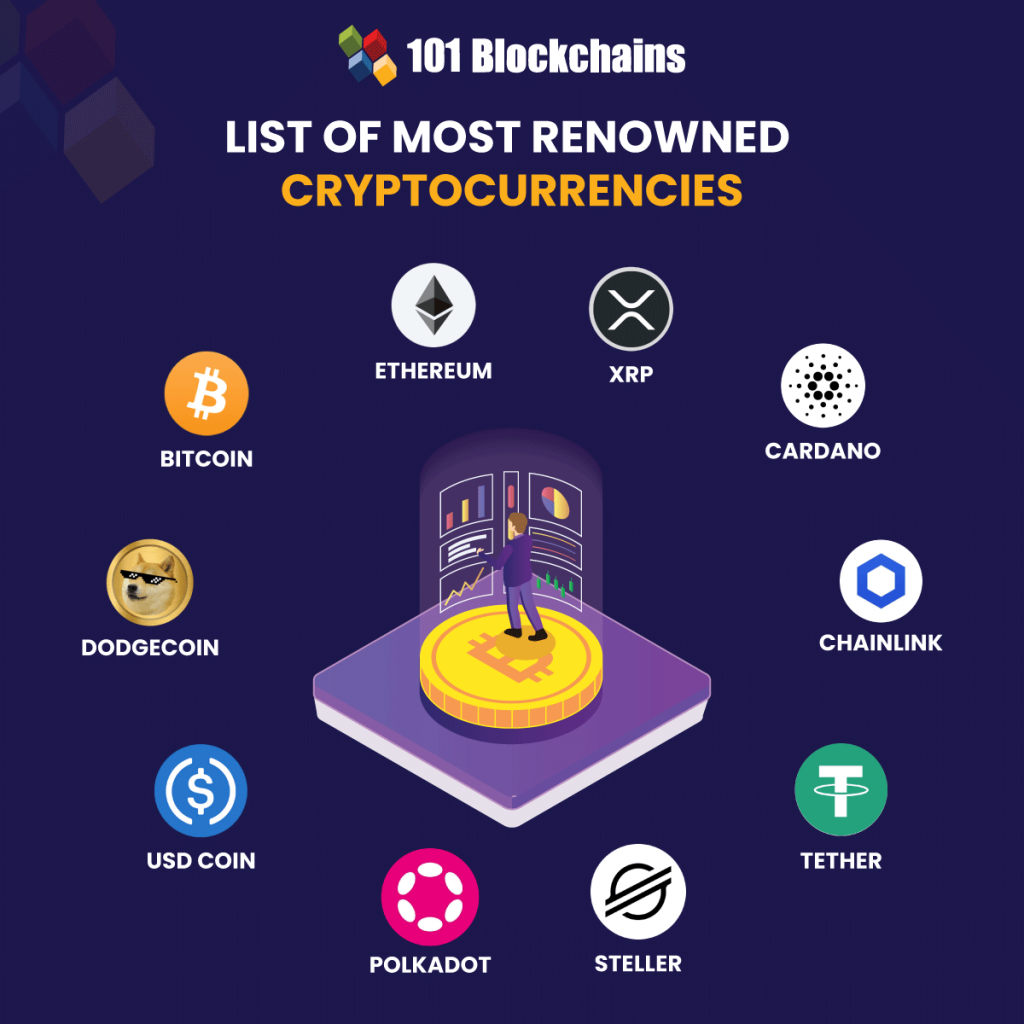
Are all cryptocurrencies mined
As the number of mined Bitcoins approaches 21 million, the reward for solving these calculations will decrease. This is because the total supply of new Bitcoins is halved every 210,000 blocks, or approximately every four years.
Buy your first cryptocurrency — Use the app’s marketplace or swap tool to purchase crypto by entering the ticker symbol — like BTC for Bitcoin or ETH for Ethereum — and follow the prompts to complete the transaction.
Imagine a global digital ledger where every cryptocurrency transaction is recorded. Mining ensures this ledger stays accurate and secure. Miners use specialized computers to solve puzzles (essentially guessing numbers) to organize and confirm pending transactions. The first one to solve it gets rewarded with cryptocurrency.
However, cryptocurrencies don’t have a central authority; rather, the cryptocurrency community and, in particular, cryptocurrency miners and network nodes manage them. For this reason, cryptocurrencies are often referred to as trustless. Because no single party or entity controls how a cryptocurrency is issued, spent, or balanced; you don’t have to put your trust in a single authority.
“The challenge that comes with mining as a business is that you have the upfront cost of mining equipment plus the constant costs of electricity (for running the equipment 24/7), but you are only rewarded cryptocurrencies if you successfully outcompete others in puzzle solving,” said Benjamin Cole, a cryptocurrency expert and professor at Fordham University’s Gabelli School of Business.
Are all cryptocurrencies based on blockchain
Blockchain does not store any of its information in a central location. Instead, the blockchain is copied and spread across a network of computers. Whenever a new block is added to the blockchain, every computer on the network updates its blockchain to reflect the change.
Blockchain is a decentralized digital ledger that securely stores records across a network of computers in a way that is transparent, immutable, and resistant to tampering. Each «block» contains data, and blocks are linked in a chronological «chain.»
Solutions to this issue have been in development for years. There are currently blockchain projects that claim tens of thousands of TPS. Ethereum is rolling out a series of upgrades that include data sampling, binary large objects (BLOBs), and rollups. These improvements are expected to increase network participation, reduce congestion, decrease fees, and increase transaction speeds.
Although blockchain can save users money on transaction fees, the technology is far from free. For example, the Bitcoin network’s proof-of-work system to validate transactions consumes vast amounts of computational power. In the real world, the energy consumed by the millions of devices on the Bitcoin network is more than the country of Pakistan consumes annually.
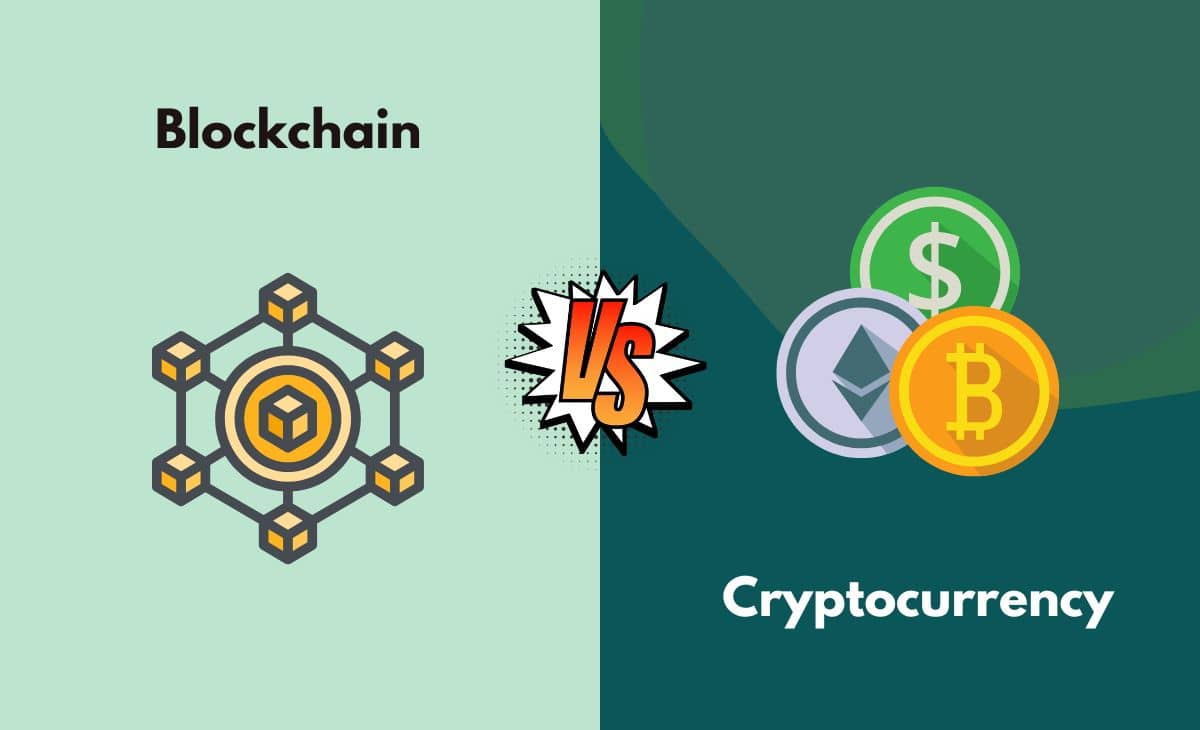
Blockchain does not store any of its information in a central location. Instead, the blockchain is copied and spread across a network of computers. Whenever a new block is added to the blockchain, every computer on the network updates its blockchain to reflect the change.
Blockchain is a decentralized digital ledger that securely stores records across a network of computers in a way that is transparent, immutable, and resistant to tampering. Each «block» contains data, and blocks are linked in a chronological «chain.»
List of all cryptocurrencies
TThe data at CoinMarketCap updates every few seconds, which means that it is possible to check in on the value of your investments and assets at any time and from anywhere in the world. We look forward to seeing you regularly!
Each of our coin data pages has a graph that shows both the current and historic price information for the coin or token. Normally, the graph starts at the launch of the asset, but it is possible to select specific to and from dates to customize the chart to your own needs. These charts and their information are free to visitors of our website. The most experienced and professional traders often choose to use the best crypto API on the market. Our API enables millions of calls to track current prices and to also investigate historic prices and is used by some of the largest crypto exchanges and financial institutions in the world. CoinMarketCap also provides data about the most successful traders for you to monitor. We also provide data about the latest trending cryptos and trending DEX pairs.
The UK’s Financial Conduct Authority estimated there were over 20,000 different cryptocurrencies by the start of 2023, although many of these were no longer traded and would never grow to a significant size.
Related Links Are you ready to learn more? Visit our glossary and crypto learning center. Are you interested in the scope of crypto assets? Investigate our list of cryptocurrency categories. Are you interested in knowing which the hottest dex pairs are currently?
The total crypto market volume over the last 24 hours is $172.65B, which makes a 34.94% increase. The total volume in DeFi is currently $27.22B, 15.77% of the total crypto market 24-hour volume. The volume of all stable coins is now $161.34B, which is 93.45% of the total crypto market 24-hour volume.