
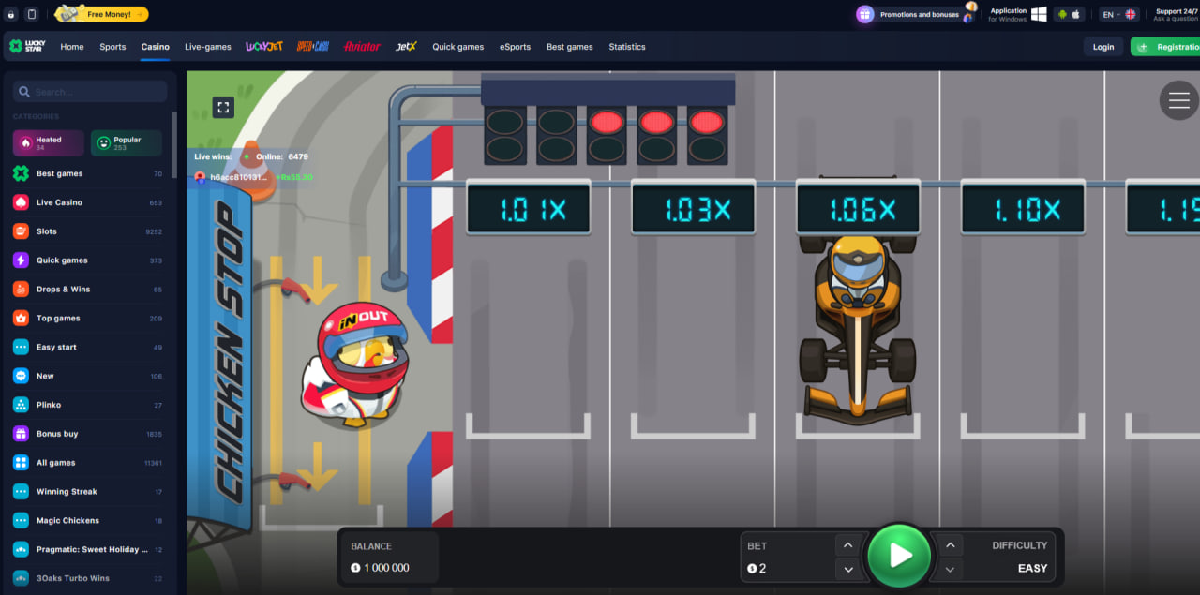
Feathers and Fast Lanes: The Exciting World of Chicken Road Racing
Welcome to the exhilarating world of chicken road racing! This quirky but engaging event has captured the hearts of many, combining speed, strategy, and of course, a love for our feathered friends. Whether you are a fan or a participant, this unique sport offers excitement like no other. To get started, don’t miss the chicken road race bonus that can boost your experience!
Chicken road racing is more than just a lighthearted event; it is a celebration of community, creativity, and competition. Racing enthusiasts, farmers, and families come together to watch chickens strut their stuff on a designated road course, which has been designed to test the speed and agility of these incredible birds. The concept may sound bizarre, but the roar of the crowd and the thrill of the race create an atmosphere that is simply contagious.
History of Chicken Road Racing
The origin of chicken road racing can be traced back to rural areas where farmers sought new ways to entertain themselves and their neighbors. Instead of traditional animal racing events with horses or dogs, chickens provided a more accessible, humorous, and inclusive alternative. The first unofficial races likely took place informally in backyards and farms, slowly evolving into organized events.
As the trend gained popularity, it spread beyond rural communities and began to attract visitors from nearby towns and cities. With the establishment of official rules and racing formats, chicken road racing became a staple of local fairs and celebrations, often paired with food stalls, music, and fun activities for all ages.
Rules and Regulations
Like any competitive sport, chicken road racing has its own set of rules and regulations designed to ensure the fair treatment of the chickens and the safety of all participants. Here are some common guidelines:
- Type of Chickens: Only specific breeds of chickens that are recognized for their speed and stamina are allowed to compete. Breeds such as Leghorns and Rhode Island Reds are often favored.
- Course Layout: The racecourse must measure a standardized length, typically ranging from 100 to 300 meters. The track is usually marked with cones or flags to dictate the path.
- Handlers: Each chicken must be accompanied by a handler or trainer, who can encourage the bird during the race but cannot physically assist in any way. Sportsmanship is crucial.
- Safety Measures: All participants must ensure that the racing surface is safe for the chickens, with no sharp objects or hazards present. Adequate hydration and rest areas must also be available.
Preparing for the Race
Participants and spectators alike should prepare for the event to ensure a smooth and enjoyable experience. For racers, this involves selecting the right chicken, training it adequately, and planning for race day logistics.
Choosing the Right Chicken
When selecting a chicken for racing, consider its breed, age, and previous racing experience. Breeds known for their speed, such as the aforementioned Leghorns, are typically the best choices. Young, healthy birds tend to perform better, as they possess the agility and energy needed for a successful race.
Training Your Chicken
Training a chicken for racing involves positive reinforcement techniques to encourage speed and focus. Handlers should create a training regimen that includes short bursts of speed, agility exercises, and familiarization with the racecourse. Gradual exposure to the environment helps the chicken get accustomed to the sights and sounds of the race.
Day of the Race
On race day, arrive early to allow time for setup and any necessary checks. Ensure your chicken is well-fed, hydrated, and calm before the race begins. Create a comfortable environment and avoid overstimulating the bird by keeping noise levels manageable.
The Spectator Experience
For those watching the races, chicken road racing is not just about the competition; it’s a festive occasion filled with laughter, cheering, and camaraderie. Families often bring picnic baskets, and vendors showcase delicious food options, creating a carnival atmosphere.

As spectators gather around the track, they socialize, share racing tips, and root for their favorite chickens. Many events also feature entertainment options, such as chicken costume contests, obstacle courses, and crafting booths, ensuring there is something for everyone to enjoy.
Benefits of Chicken Road Racing
While chicken road racing may seem whimsical, it brings several benefits to both participants and communities:
- Community Building: Organizing and participating in such events fosters a sense of community and encourages locals to come together for a shared experience.
- Promotion of Agriculture: Highlighting the connection between farming and entertainment helps raise awareness about local agriculture and the importance of supporting farmers.
- Fun and Laughter: The lighthearted nature of chicken road racing provides an opportunity for laughter and joy, creating lasting memories for both participants and spectators.
Conclusion
In conclusion, chicken road racing is a unique and entertaining sport that combines competition, community, and a love for animals. Whether you are a seasoned racer or a first-time spectator, the excitement and joy of this offbeat event are contagious. As you embrace the thrilling world of chicken road racing, remember that at its heart, it is a celebration of connection, laughter, and the simple pleasures of life.
If you’re ready to jump into the action or just want to enjoy a delightful day out, keep an eye out for the next local chicken road race! You never know; you may just discover your new favorite pastime!